OSHA representation
Facing an OSHA inspection or citation? First Link Safety provides nationwide on-site representation, citation defense, and informal conference support with field-level credibility.
WHAT WE DO
Field-side advocacy when OSHA shows up
When OSHA is on the way, or already on site, we help you respond, document, and argue your case. OSHA is looking for violations to cite. We are looking for ways to fix conditions and tell the story of what actually happened on the jobsite.
We are field-level safety people, not lawyers. Most attorneys, even risk-management counsel, do not understand safety the way someone who has stood on a jobsite does. We know the trades, we know how to talk to an OSHA compliance officer, and we are priced below most legal routes for the technical safety arguments. When you need counsel, get a lawyer. We handle the field side and work alongside legal when both are needed.
Call as soon as you get wind of OSHA. If we can get to the site while the inspector is still there, we can sometimes resolve conditions before a citation is written at all. That is better than fighting it at the informal conference after the fact.
WHAT WE HANDLE
From the first call through the informal conference
Before and during the inspection
Call as soon as OSHA is on the radar. If we can reach the site in time, we walk the inspection with you.
Before and during the inspection
Call as soon as OSHA is on the radar. If we can reach the site in time, we walk the inspection with you.
In practice
Early call · Shape the file
The sooner we are involved, the better chance we have to fix conditions on the spot before a citation is written.
On site · Mirror their work
When they take photos, we take photos. When they pull samples, we pull samples. Our documentation tracks theirs.
Field facts · Jobsite context
We speak OSHA's language and your crew's. The argument comes from what happened on the ground, not legal theory.
Citation review
We read what OSHA wrote against what we saw and documented.
Citation review
We read what OSHA wrote against what we saw and documented.
In practice
Line by line · What they cited
Each item gets checked against field conditions, photos, and witness accounts from the walk.
Classification · Severity and scope
Some citations fit the facts. Others can be narrowed, reclassified, or challenged with the right evidence.
Your file · Build the response
We help you assemble a clear record: what was true on site, what was corrected, and what deserves a second look.
Informal conference
Most penalty reductions happen here, with field facts and documentation.
Informal conference
Most penalty reductions happen here, with field facts and documentation.
In practice
Prep · Before the table
We walk you through what OSHA will ask, what we can argue, and what documentation supports each point.
Conference · At the hearing
We advocate for field-level facts: conditions as they existed, corrections already made, and context OSHA may have missed.
Outcome · Penalties and next steps
Reduced fines when the evidence supports it, plus a clear list of what still needs fixing on site.
In practice
Before and during the inspection
Early call · Shape the file
The sooner we are involved, the better chance we have to fix conditions on the spot before a citation is written.
On site · Mirror their work
When they take photos, we take photos. When they pull samples, we pull samples. Our documentation tracks theirs.
Field facts · Jobsite context
We speak OSHA's language and your crew's. The argument comes from what happened on the ground, not legal theory.
In practice
Citation review
Line by line · What they cited
Each item gets checked against field conditions, photos, and witness accounts from the walk.
Classification · Severity and scope
Some citations fit the facts. Others can be narrowed, reclassified, or challenged with the right evidence.
Your file · Build the response
We help you assemble a clear record: what was true on site, what was corrected, and what deserves a second look.
In practice
Informal conference
Prep · Before the table
We walk you through what OSHA will ask, what we can argue, and what documentation supports each point.
Conference · At the hearing
We advocate for field-level facts: conditions as they existed, corrections already made, and context OSHA may have missed.
Outcome · Penalties and next steps
Reduced fines when the evidence supports it, plus a clear list of what still needs fixing on site.
A REAL EXAMPLE
Serious citation downgraded on field facts
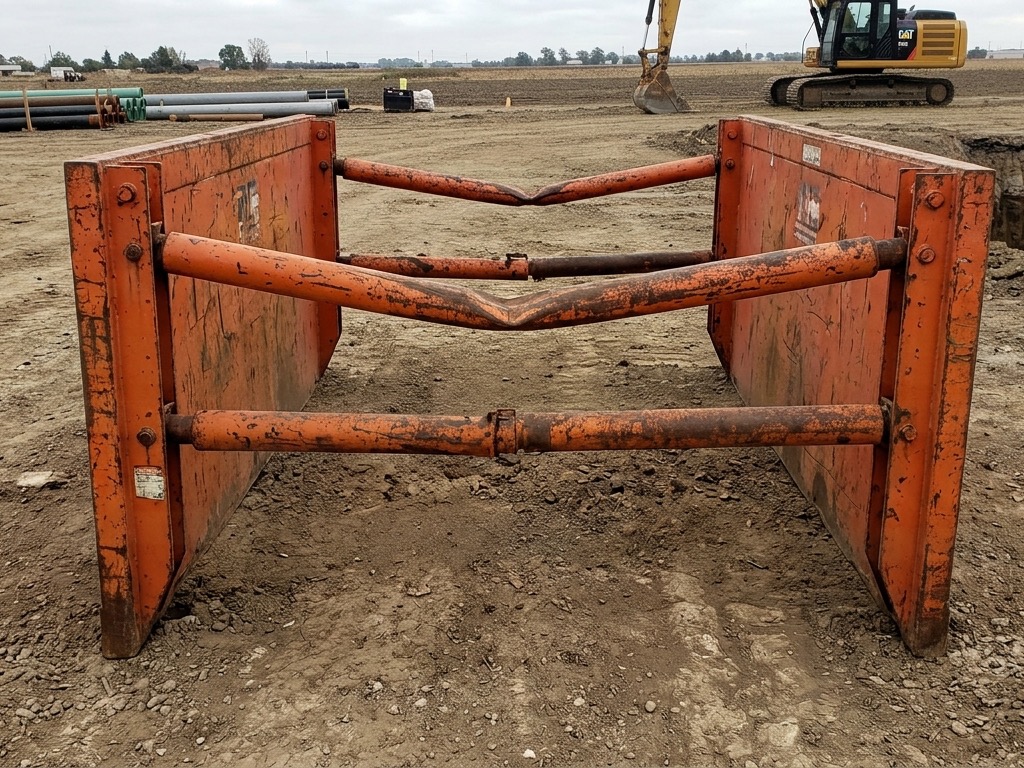
We argued that a damaged trench box had never held anyone inside. OSHA downgraded a serious citation to other-than-serious and cut $7,000 off the penalty.
The win came from field facts and documentation, not a courtroom strategy. If they had called us while the inspector was still on site, we might have resolved it before the citation was written at all.
HOW IT WORKS
From the first call to a fair outcome
Step 1: Call us early
As soon as you get wind of OSHA: a scheduled visit, an inspector on site, or a citation in the mail. Early involvement changes what we can do.
Step 2: Walk it together
If timing allows, we join the inspection and mirror their documentation. If the walk is already done, we review citations against what you have on file.
Step 3: Argue your case
We prep and attend the informal conference with field-level evidence and push for fair classifications and lower penalties where the facts support it.
FAQ
Common questions
When should I call about an OSHA inspection?
As soon as you know one is coming or already underway. Early involvement can change what lands in the file before citations are written. If we can get there during the inspection, we walk it with the inspector.
What do you do during an inspection?
We mirror the inspector’s documentation: photos when they take photos, samples when they take samples. Having our name on the file at the informal conference often helps bring citations down.
Are you a substitute for a lawyer?
No. When you need legal counsel, get a lawyer. We’re the field-side experts for technical safety arguments. We speak OSHA’s language and work alongside counsel when both are needed.
Can you help after citations are already issued?
Yes. We support informal conferences and penalty discussions with field-level facts, not just legal theory. Many reductions happen at that stage.
Do you cover inspections nationwide?
Yes. We support employers across the United States when OSHA is on the radar or already on site. We’re headquartered in the Greater Boise metropolitan area.
RELATED
Related services
Pair this engagement with the rest of your safety program.
Safety audits & inspections
Structured site audits with clear findings your team can act on.
View service →Recordkeeping & comp review
300 logs, comp files, and the paper trail behind your mod.
View service →Safety manuals & plans
Programs, EAPs, and site-specific docs, built and kept current.
View service →OSHA on the radar? Call early.
The earlier we are in, the more we can shape what lands in the file. Tell us what is underway and we will get the right person on it.