Site safety staffing
Full-time safety professionals on jobsites nationwide. Matched to the work, backed by the whole team, and no lock-in if they're not a good fit. From one tech to a full program crew, plus hole watch and fire watch by the shift or the turnaround, First Link sends the people you need.
WHAT WE DO
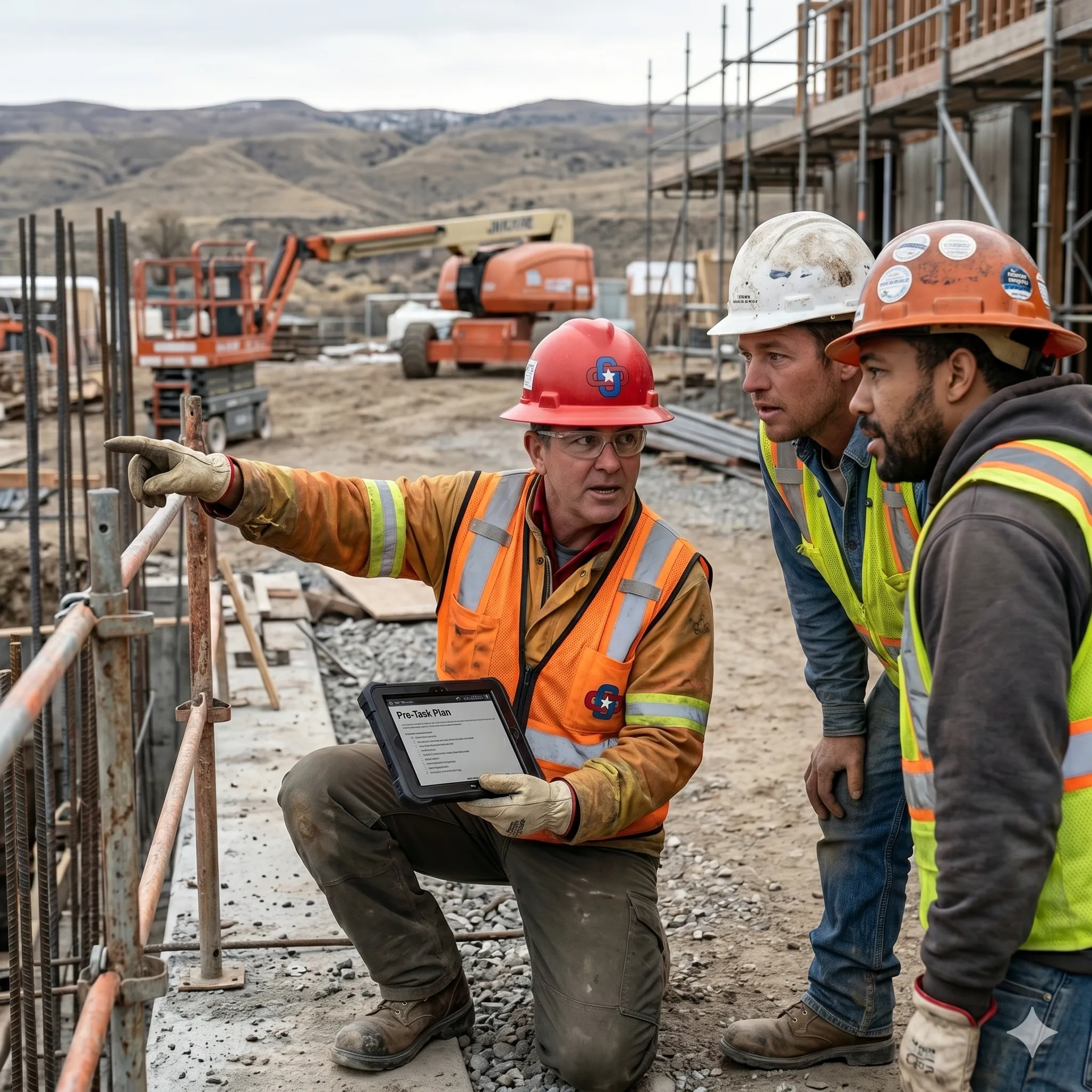
Full-time safety pros, on your jobsite
We staff to fit the job: from one person to cover for a month while you hire direct, to a full on-site team to run your safety program on a multi-year project.
First Link places full-time safety professionals directly on your jobsite. Not advice from the office. People on the floor with your crew.
Our safety professionals came up through the field (construction, oil and gas, refineries, surface mining) before moving into safety. They know how the work gets done, so they can talk to your crew without the book-quoting that crews tune out.
We also staff hole watch and fire watch. Our attendants are trained by our team for confined space and hot work, and they have the rest of the First Link crew behind them like everyone else we send.
WHAT'S INCLUDED
Four roles, staffed to fit the job
What First Link sends to your site depends on the role. We staff four positions, and most sites end up with a mix. Permit writers, hole watch, and fire watch are most common on oil, gas, and refinery work, and we cover confined space entry and hot work on construction and other sites too.
Site safety manager / lead
Owns the program: meetings, investigations, and the paper trail.
Site safety manager / lead
Owns the program: meetings, investigations, and the paper trail.
A day in the life of a
Morning · Laydown yard
Stretch and flex with the crew, same start as everyone else on site.
Field · Plans & paper
Reviews and approves pre-task plans, prepares and submits risk assessments, and keeps inspection logs, SDS sheets, and the training matrix current.
Weekly · EHS table
Sits in the GC's EHS managers meeting and the standing contractor EHS huddle.
As needed · Incidents & backup
Leads investigations end to end (root cause, documentation, findings back to the client) and backs up field techs who need a second set of eyes.
Site safety technician
Floor presence: plans, walks, and catching problems on the spot.
Site safety technician
Floor presence: plans, walks, and catching problems on the spot.
A day in the life of a
Morning · Laydown yard
Stretch and flex with the crew, then straight into the field.
All day · On the floor
Checks pre-task plans, catches and corrects issues on the spot, and runs EHS walks with the GC's safety team and other contractor reps.
Monthly · Gear checks
Inspections on fall protection, ladders, and rigging: the quiet work that keeps the next week clean.
Whenever · Crew questions
Helps on incident investigations when something goes wrong, and answers whatever the crew brings up during the day.
Safety permit writer
Permits ready before the work starts: hot work, confined space, and safe work.
Safety permit writer
Permits ready before the work starts: hot work, confined space, and safe work.
A day in the life of a
Morning · Permit desk
Prepares hot work, confined space entry, and other safe work permits for the day’s jobs, following the site’s own permit system.
Before work · Job walkdown
Walks each job down with the crew and the operators so the permit matches the conditions in the field.
All day · Field checks
Checks that conditions still match the permit as the work moves, and reissues or closes permits when they change.
End of shift · Close out
Closes out completed permits and hands open work over to the next shift.
Hole watch & fire watch attendant
A trained attendant on the confined space or the hot work, for one shift or a whole turnaround.
Hole watch & fire watch attendant
A trained attendant on the confined space or the hot work, for one shift or a whole turnaround.
A day in the life of a
Before work · Permit & briefing
Goes over the permit with the entrants or the hot work crew: the hazards, how they’ll stay in contact, and how to call for rescue or sound the alarm.
All shift · On station
Stays at the space entrance or the hot work area the whole time the work is going. Keeps an accurate count of who’s inside and watches for changing conditions, sparks, and smoke.
If it changes · Calls it
Orders entrants out or stops the hot work when conditions change, then calls rescue or sounds the alarm. A hole watch never goes into the space to attempt a rescue.
After the work · Watch & hand off
Stays on fire watch after hot work stops for as long as the permit requires, then hands off to the next shift or the permit writer.
A day in the life of a
Site safety manager / lead
Morning · Laydown yard
Stretch and flex with the crew, same start as everyone else on site.
Field · Plans & paper
Reviews and approves pre-task plans, prepares and submits risk assessments, and keeps inspection logs, SDS sheets, and the training matrix current.
Weekly · EHS table
Sits in the GC's EHS managers meeting and the standing contractor EHS huddle.
As needed · Incidents & backup
Leads investigations end to end (root cause, documentation, findings back to the client) and backs up field techs who need a second set of eyes.
A day in the life of a
Site safety technician
Morning · Laydown yard
Stretch and flex with the crew, then straight into the field.
All day · On the floor
Checks pre-task plans, catches and corrects issues on the spot, and runs EHS walks with the GC's safety team and other contractor reps.
Monthly · Gear checks
Inspections on fall protection, ladders, and rigging: the quiet work that keeps the next week clean.
Whenever · Crew questions
Helps on incident investigations when something goes wrong, and answers whatever the crew brings up during the day.
A day in the life of a
Safety permit writer
Morning · Permit desk
Prepares hot work, confined space entry, and other safe work permits for the day’s jobs, following the site’s own permit system.
Before work · Job walkdown
Walks each job down with the crew and the operators so the permit matches the conditions in the field.
All day · Field checks
Checks that conditions still match the permit as the work moves, and reissues or closes permits when they change.
End of shift · Close out
Closes out completed permits and hands open work over to the next shift.
A day in the life of a
Hole watch & fire watch attendant
Before work · Permit & briefing
Goes over the permit with the entrants or the hot work crew: the hazards, how they’ll stay in contact, and how to call for rescue or sound the alarm.
All shift · On station
Stays at the space entrance or the hot work area the whole time the work is going. Keeps an accurate count of who’s inside and watches for changing conditions, sparks, and smoke.
If it changes · Calls it
Orders entrants out or stops the hot work when conditions change, then calls rescue or sounds the alarm. A hole watch never goes into the space to attempt a rescue.
After the work · Watch & hand off
Stays on fire watch after hot work stops for as long as the permit requires, then hands off to the next shift or the permit writer.
For a small crew, one tech is usually enough. For a larger or higher-risk site, we layer: a lead manager plus one or more techs underneath. On one current Idaho project, we run a full on-site safety team. Hole watch and fire watch can come alongside a permit writer or on their own, for a single shift or a full shutdown.

WHY STAFF WITH US
Why companies use us instead of hiring direct
When you add up the hidden costs of your own safety hire (medical, workers' comp, unemployment, retirement, and the recruiting bill if they leave), a First Link safety professional usually runs about the same. Often less.
You're getting the whole First Link Safety team with every one person we send. If your tech hits a blasting question or an uncommon excavation call they haven't seen before, they're on the phone to the rest of our crew in less than ten minutes. Between our people and the contacts we've built over 30 years, the answer comes back fast.
We match on personality ♡ too. Do you have a rough program that needs someone to clean house? We send credentials and experience: someone who's done the job and can take ownership. Is this a new site just trying to do right by the crew? Personality fit matters as much as anything else. If it doesn't click once they're on site, we swap. Nobody's locked in.
A REAL EXAMPLE
Caught before it spread
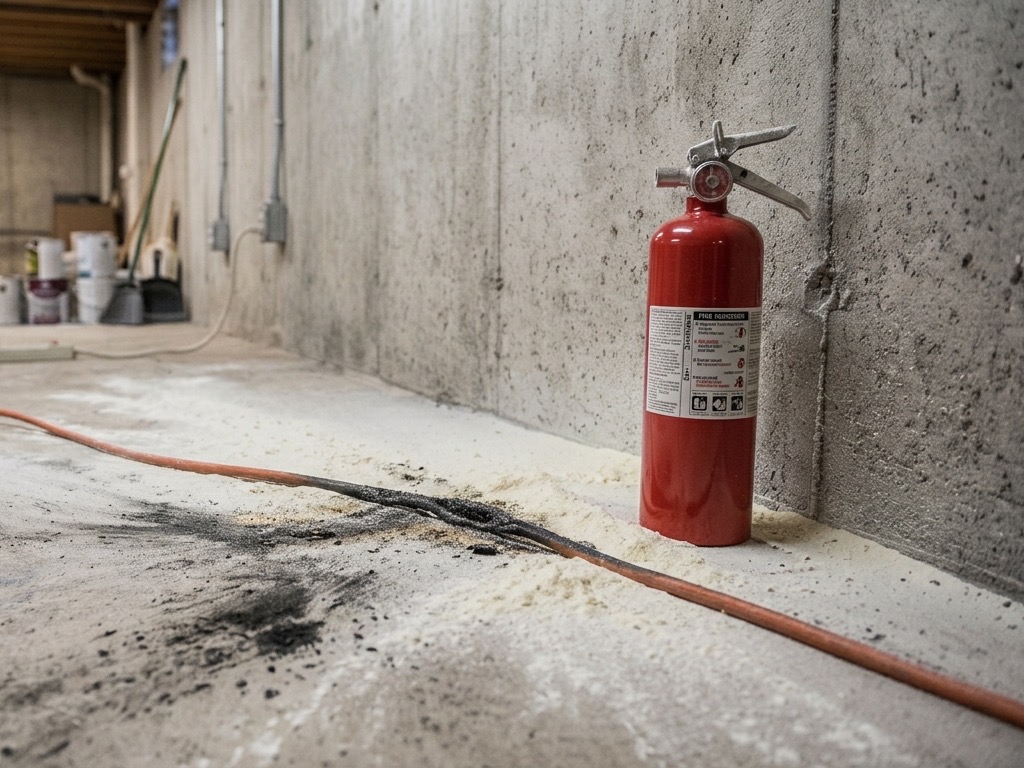
One of our techs at a large Idaho site was walking the floor when he spotted an electrical cord that had started burning against a concrete wall. He grabbed the nearest extinguisher and put it out before it spread.
With an electrical fire, another ten minutes puts you in a very different conversation: property damage, downtime, potentially injured workers. That's what full-time staffing buys you: when your workers are busy, First Link Safety is there, catching things like that before they go sideways.
HOW IT WORKS
You meet them before they show up
Step 1: Initial call
Tell us about the site: what you're building, crew size, how long you need coverage, and what your safety situation looks like today. EMR rating helps if you have it available.
Step 2: Matching
Based on site size, risk, and culture, we propose the right level of staffing and name the people we'd send. You'll get the chance to meet them before they show up.
Step 3: Placement and pricing
Longer engagements get better pricing. A year-long placement locks in a better rate than a one-month fill. We'll give you honest numbers either way.
Most placements run between one month (gap coverage while you hire) and multi-year (full-site programs that started small and grew). Hole watch and fire watch can be booked by the shift, the job, or the turnaround.
FAQ
Common questions
What roles do you staff on a jobsite?
Four roles: site safety technicians who stay on the floor with pre-task plans and EHS walks, site safety leads who run the program (admin, investigations, and client-facing work), safety permit writers who prepare hot work, confined space, and safe work permits before the work starts, and hole watch and fire watch attendants. On larger or higher-risk sites we layer a lead over one or more techs, or stand up a full on-site safety team.
Do you staff hole watch and fire watch?
Yes. We send trained attendants who stay at the confined space entrance or the hot work area the whole time the work is going, and stay on fire watch after hot work stops for as long as the permit requires. Book them for a single shift, a job, or a full shutdown or turnaround, on their own or alongside a permit writer.
How long do placements last?
Anywhere from one month of gap coverage while you hire to multi-year programs that grow with the project. We staff to the lifetime of the work. Longer engagements usually get better rates because of how we staff and insure them. Hole watch and fire watch can also be booked by the shift.
What if the safety professional isn’t a good fit?
We swap them. Especially with new clients, we lead with personality fit as well as credentials. Nobody is locked in once they’re on site.
How does pricing compare to hiring in-house?
When you add up benefits, workers’ comp, unemployment, retirement, and recruiting if a hire walks, a First Link safety professional usually runs about the same as hiring direct, often less. We also use tiered rates so you don’t pay senior-level pricing for starter-level credentials.
Do placements work alone?
No. Your placement can pull in the rest of our crew and network mid-day if something unfamiliar comes up. That’s part of what you’re buying with First Link staffing.

RELATED
Related services
Pair this engagement with the rest of your safety program.
Safety audits & inspections
Structured site audits with clear findings your team can act on.
View service →Safety training
Onsite safety training built for your people and your facility, hands-on where it counts.
View service →OSHA representation
Inspection support and citation defense with field-level credibility.
View service →Staff your site with people who've done the work
Tell us about your project: crew size, duration, and what's driving the need. We'll come back with a staffing plan and honest pricing.